 (Image source: Gemini)
 The emotional toll of seeing your family photos or expensive flooring floating in an inch of gray water is something you just don't forget. Beyond the stress, the financial hit is staggering. Recent data for 2026 shows that the average water damage insurance claim now hovers between $13,954 and $15,400.² That is a massive chunk of change for a problem that often starts with a tiny, ignored drip. The reality is that about 1 in 60 insured homes will file a water damage claim every single year.⁵ If those odds feel a bit high, it is because they are.
So what does this actually mean for you? It means that plumbing is not a "set it and forget it" part of your home. Think of it like your car. You wouldn't dream of driving 50,000 miles without an oil change, right? Your pipes need that same level of respect. By adopting a few small habits, you can reduce your repair costs by 12% to 30% over the life of your home.³ It is the ultimate low effort, high reward approach for any homeowner.
The Annual Inspection and Knowing Your System
You cannot maintain what you do not understand. The first step in your 2026 maintenance journey is a simple walkthrough. You don't need a tool belt or a degree in engineering. You just need a flashlight and a bit of curiosity. Start with the most important part of your entire house: the main water shut-off valve.
Do you know exactly where it is? More importantly, does it actually turn? Many homeowners discover their main valve is "frozen" or seized only when a pipe bursts and they are frantically trying to stop the flood. Go to that valve today and give it a test. If it won't budge, call a pro to replace it before you actually need it. This single component is your only defense against a total home catastrophe.
Although you are at it, take a look at your exposed pipes in the basement or crawlspace. You are looking for "the green stuff" (corrosion) or any signs of moisture. Even a tiny crusty deposit on a copper joint is a signal that a leak is coming. Also, don't forget the sump pump. Since 98% of U.S. basements will deal with some form of water damage eventually, your sump pump is a key teammate.⁶ Pour a bucket of water into the pit to make sure the float triggers the pump. If it stays silent, you are one heavy storm away from a very expensive indoor lake.
Drain Care and Preventing Clogs Before They Start
We have all been tempted by those colorful bottles of chemical drain cleaner at the hardware store. They promise a quick fix for a slow sink. But here is the truth: those chemicals are poison for your plumbing. They generate intense heat to melt hair and grease, which can warp PVC pipes or eat through older metal ones. It is a classic case of the "cure" being worse than the disease.
Instead of reaching for the chemicals, invest in a few $2 plastic drain catchers. It sounds simple, but keeping hair and soap scum out of the pipes in the first place is the best maintenance you can do. If things do start to slow down, try the old school DIY method. A half cup of baking soda followed by a half cup of vinegar creates a bubbling reaction that can break up minor gunk without melting your infrastructure.
Think of your drains as a one-way street for water and organic waste only. The rise of "flushable" wipes has been a disaster for modern sewer systems. Experts in 2026 are still shouting this from the rooftops: those wipes do not break down like toilet paper. They stay intact, catch on pipe imperfections, and create "fatbergs" that can lead to raw sewage backing up into your shower. If you want to avoid a $5,000 sewer line cleanout, only flush the basics.
Appliance Health for Water Heaters and Washing Machines
Your appliances are the heavy lifters of your plumbing system. Your water heater, specifically, is a ticking clock. Most units last 8 to 12 years, but you can push that toward the higher end by flushing it once a year. Over time, minerals in your water settle at the bottom of the tank, creating a layer of sediment. This makes the heater work harder, which can drop its efficiency by about 15%.¹
Although you are looking at the heater, check the anode rod. This is a "sacrificial" rod of magnesium or aluminum designed to rust so your tank doesn't have to. If the rod is completely eaten away, the water will start attacking the steel walls of your tank next. Replacing a $40 rod every few years is a lot smarter than replacing a $1,500 tank.
Then there are the washing machine hoses. Standard rubber hoses are notorious for bulging and eventually bursting under constant pressure. If you are still using the black rubber ones that came with the machine, it is time for an upgrade. Switch to braided stainless steel hoses. They are much more resistant to pressure spikes. A burst hose can dump 500 gallons of water an hour into your home. If that happens while you are at work, the damage to your subflooring and drywall will be astronomical.
Recognizing Warning Signs of Impending Failure
Your house is usually trying to tell you something. You just have to know how to listen. Have you noticed a sudden drop in water pressure? Or maybe a strange "thumping" sound when you turn off the tap? These aren't just quirks of an old house. They are symptoms. A "water hammer" (that thumping sound) can actually loosen pipe joints over time, leading to hidden leaks behind your walls.
One of the most dangerous issues is the "slow weep." This is a tiny pinhole leak that doesn't cause a flood but keeps the inside of your wall damp. By the time you see a brown stain on the ceiling or smell something musty, you might already have a toxic mold problem. Mold remediation is a nightmare that can cost anywhere from $2,000 to $6,000, and many insurance policies won't cover it if they decide it was caused by a lack of maintenance.
If your water bill suddenly spikes but your habits haven't changed, you have a leak. It is that simple. The average home loses about 9,400 gallons of water per year to leaks.⁷ Sometimes it is just a running toilet, which is an easy $20 fix. Other times, it is a leak in the main line under your yard. If you can't find the source of a high bill or a weird sound, that is the moment to call in a professional. Spending $150 on a diagnostic visit is a bargain compared to a $15,000 restoration bill.
Building a Long-Term Maintenance Schedule
The best way to protect your home investment is to stop treating plumbing like an emergency and start treating it like a schedule. You don't have to do everything at once. Break it down by the seasons. In the fall, make it a priority to disconnect your garden hoses. A single hose left attached during a freeze can trap water inside the pipe, causing it to burst inside your wall. You won't even know it happened until you turn the water on in the spring and find a flood in your basement.
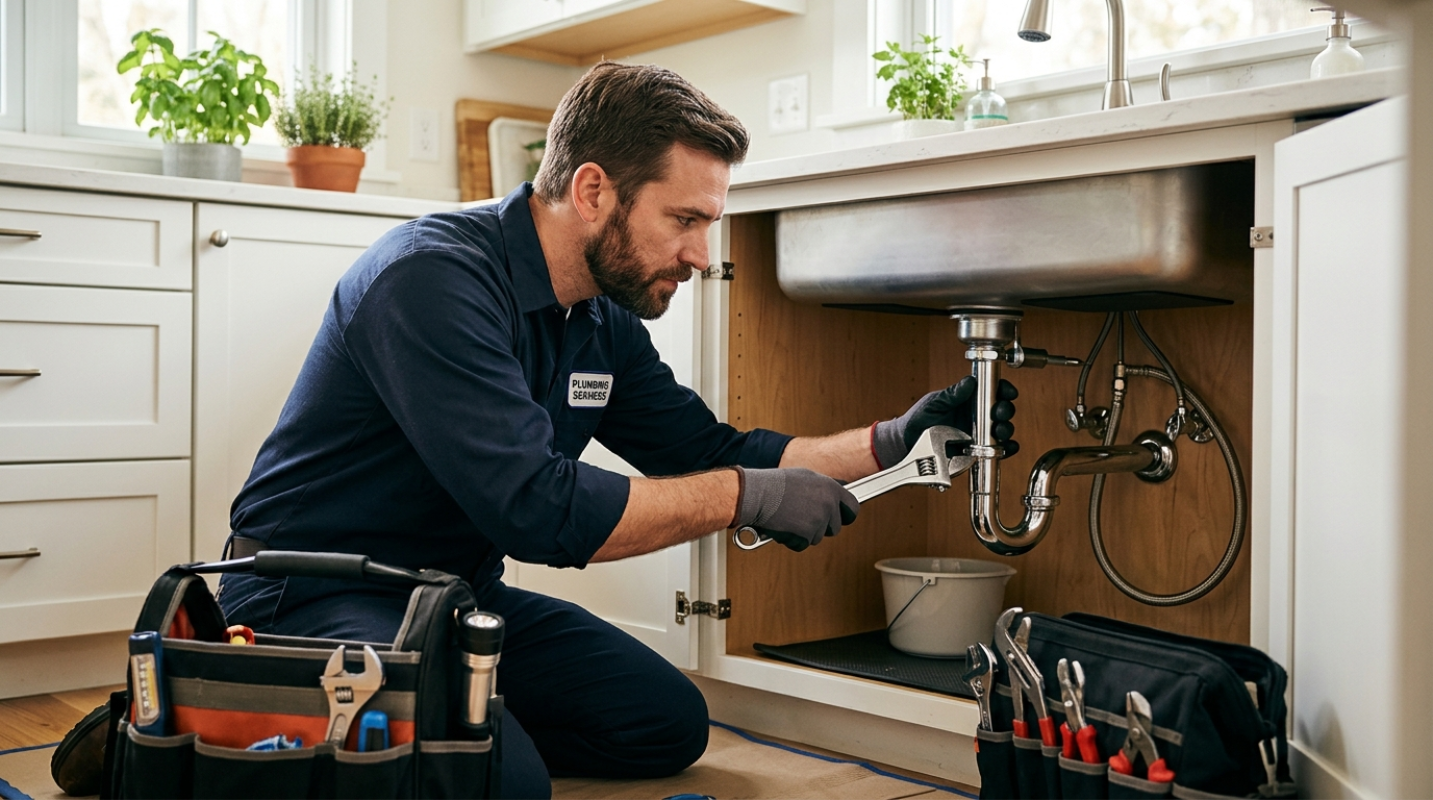
In the spring, do your "wet check." Look under every sink with a flashlight. Run your hand along the P-traps to feel for moisture. Test your water pressure with a simple $10 gauge from the hardware store. If your PSI is over 80, your pipes are under too much stress, and you need a pressure-reducing valve.
At the end of the day, plumbing maintenance is about peace of mind. There is a specific kind of confidence that comes from knowing your water heater is clean, your hoses are steel, and your main shut-off valve actually works. You are not just saving money. You are protecting the place where you sleep and keep your most valuable memories. A little bit of grease and a few minutes of inspection today will save you a world of hurt tomorrow.
This article on plumbwiser is for informational and educational purposes only. Readers are encouraged to consult qualified professionals and verify details with official sources before making decisions. This content does not constitute professional advice.